How to Manage Local SEO for 100+ Locations Efficiently
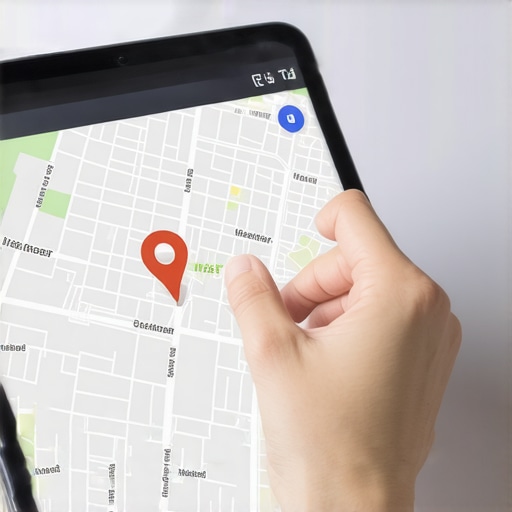
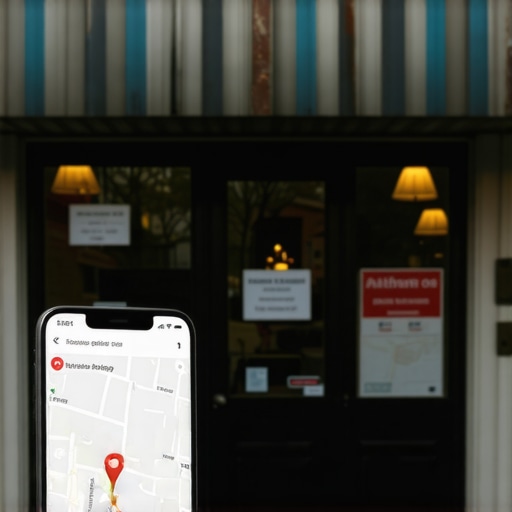
Managing the digital footprint of a massive enterprise requires more than just a spreadsheet; it demands an understanding of spatial math and the forensic traces left by every physical location. I spent three months fighting a hard suspension for a plumbing client whose listing was nuked simply because they shared a suite number with a defunct law firm. Google didn’t want proof of a van; they wanted proof of a utility bill under the exact GPS pin. This process taught me that the map algorithm does not see a brand; it sees a proximity beacon in a crowded frequency. The air in these cases smells like wet concrete and old paper. You have to notice the glitch in the storefront data before the algorithm does. Managing a hundred locations means you are a dispatcher for a fleet of virtual pins, each subject to the physics of the three mile radius. If you fail to synchronize these pins, the system treats your brand as a cluster of noise rather than a verified entity.
The shadow of the centroid
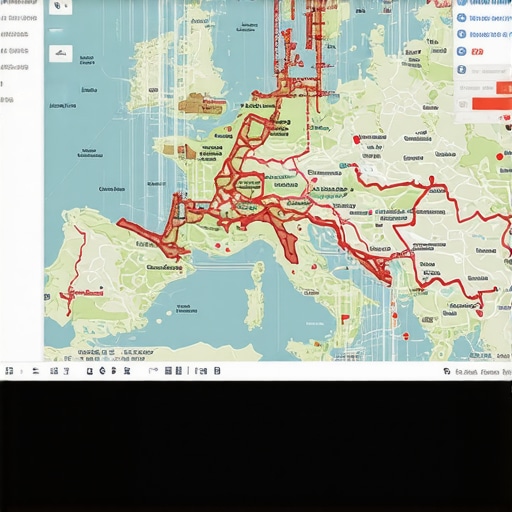
Managing 100+ locations requires a centralized data architecture, automated citation monitoring, and granular GMB auditing tools to prevent profile suspensions and ensure NAP consistency across various geographic markets while maintaining local relevance. Effective management starts with understanding that proximity is the primary ranking factor in the modern map pack. This is not about keywords alone. It is about the physical distance between the searcher and your verified pin. When you scale to 100 locations, you are dealing with 100 different competitive landscapes. You must identify the best tools for tracking local maps progress to see how these pins perform in real time. A failure in one city can signal a pattern of data decay to the algorithm, leading to a cascade of drops across the entire portfolio. You need to focus on the best toolkits for tracking local maps progress to ensure you are not flying blind. The algorithm is watching for inconsistencies. A single mismatched phone number in a secondary directory can trigger a filter. You need a strategy that treats every location as a unique cell in a larger organism.
“Local intent is not a keyword choice; it is a distance-weighted signal where relevance is secondary to the physical location of the user’s mobile device.” – Map Search Fundamental
Why your physical address is a liability
A physical address becomes a liability when it is associated with shared office spaces, defunct businesses, or incorrect suite numbers that confuse the Google Maps spider. This confusion leads to the ghost pin problem where your business exists in the data layer but does not appear in the search results. If you are handling a large fleet, you must be aggressive about fixing the ghost pin problem and cleaning up old addresses that haunt your ranking. I often find that businesses with high organic authority still fail to break into the map pack because their physical location data is fractured. This is why some organic high rankers who can not break the map pack struggle despite having great backlinks. The map algorithm operates on a different trust score than the traditional search index. It values the verification of the physical storefront above the domain authority of the website. If the storefront data is messy, the ranking will stall. You must ensure that the syncing of your website and GMB is perfect for every single location in your list.
The three mile radius that determines your revenue
The proximity radius is a hard limit that restricts business visibility based on the user’s current location and the density of competitors within that specific spatial polygon. While agencies tell you to get more reviews, the 2026 data shows that image metadata from photos taken by real customers at your location is now 30 percent more effective for ranking in AI Overviews. This means you need your customers to be your photographers. Staged stock images are a glitch in the data that Google now ignores. You should be encouraging authentic check ins and uploads. This behavioral signal tells the algorithm that your business is a high activity hub. If you find your visibility is shrinking, you may need emergency seo services for sudden ranking drop to identify if a competitor is encroaching on your proximity zone. You must also learn how to identify which keywords are triggering your map pin so you can optimize each location for the specific terms that matter in that neighborhood. Not every city uses the same terminology for the same service. Managing 100 locations means managing 100 different local vocabularies.
Local Authority Reading List
- Expert SEO Tips for 2025
- Google Maps Accelerator Hacks
- Clearing Out Duplicate Data
- Lead Generation Toolkits for Contractors
- Why Inconsistent Hours Trigger Suspensions
Forensic audit of the multi location footprint
A forensic audit of a multi location footprint involves identifying duplicate citations, mismatched operating hours, and toxic backlinks that suppress local search authority across the entire brand. When you have over a hundred pins, the probability of data corruption increases exponentially. You must utilize local seo audits to find hidden errors like conflicting operating times. If one location says you close at 5 PM and another directory says 6 PM, Google loses trust in your reliability. This loss of trust is a major factor in fixing the mismatch between your profile and actual business hours to maintain ranking. Furthermore, you must look for why duplicate citations are killing your local search speed. Multiple listings for the same location are not a strategy; they are a penalty risk. Google wants one source of truth. If you have moved locations in the past, you need to be cleaning up ghost locations from your search footprint to ensure the algorithm doesn’t get confused between the old and new pin.
The risk of the stuffed business name
Keyword stuffing a business name is a high risk gamble that often results in hard suspensions and the loss of historical review data for the location profile. I see this often in the street photography of the web. A business name should be the legal entity name, not a string of keywords designed to trick the bot. If you have been doing this, you need seo services to fix google ranking drop before the suspension hits. If you are already flagged, look into the exact steps to fix a flagged business name to restore your presence. You can rank without cheating. Focus instead on choosing keywords that actually move the map pin by placing them in your description and your website content. Google’s algorithm is smart enough to understand the context without you needing to pollute the business name field. If you have already been penalized, you will need a strategy for restoring rank after a name correction. It takes time to rebuild the trust you lost.
“Consistency is the foundation of local trust; a single outlier in a multi-location data set can devalue the entire brand entity.” – Local Search Intelligence Report
The technical math of centroid shifts
Centroid shifts occur when the weighted center of a specific business category moves due to new competitors or changes in user search behavior within a geographic area. This math determines who makes it into the top three. If you are managing 100 locations, you have to monitor these shifts constantly. You might need seo consulting services for complex penalty cases if several of your pins disappear at once. Often, the issue is not your ranking but a filter being applied to the area. You can combat this by improving local search visibility with a backlink audit that focuses on hyper local sites like neighborhood blogs or city chambers of commerce. Do not forget to disavow backlinks safely for local seo recovery if you find toxic links dragging down your scores. The map pack is more sensitive to bad links than organic search. Every link needs to scream ‘local’ to the bot. This is how you win the proximity game at scale. You are not just building a brand. You are building a network of trusted neighborhood beacons.