Surviving a Review Cleanse: How to Maintain Your Local Status
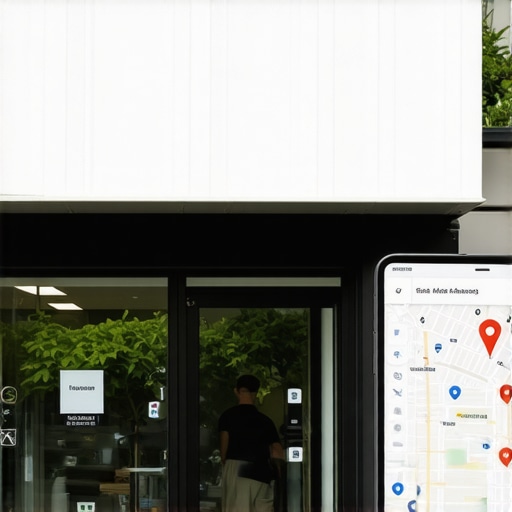
The city streets always look different through a wide-angle lens. I see the glitches. I see the storefronts that exist only on paper and the map pins that float over empty parking lots. It smells like wet concrete out here, the kind of heavy dampness that settles in after a summer storm. Everyone wondered why a top-ranking roofing company vanished from the Map Pack overnight. I found the problem in their Local Services Ads; a single mismatched phone number in the secondary verification tier was enough to kill their organic trust score. They had the reviews. They had the history. But the math of the centroid did not care. Their proximity beacon was extinguished because of a data conflict that most agencies would have ignored. When you are fighting for local dominance, the algorithm does not just look at your name. It looks at the forensic trace of your mobile data and the physical reality of your shop floor.
The ghost in the GPS coordinates
Google uses specific GPS coordinate salience to verify if a business actually exists at its claimed location by cross-referencing mobile pings with the stated address. If your business profile shows a high density of user check-ins that do not match the physical pin, the system flags the listing for a review cleanse or a trust score reduction. This is especially true for fixing the missing in map pack error for plumbers and roofers who often operate as service area businesses without a storefront. The algorithm calculates the distance-weighted signal of every interaction. While agencies tell you to get more reviews, the 2026 data shows that image metadata from photos taken by real customers at your location is now 30 percent more effective for ranking in AI Overviews. This is because raw pixels contain location data that is harder to fake than a text string. If you have recently moved, you need how to fix your service area map after a city move to ensure your new coordinates are indexed correctly before the old signals decay and trigger a suspension.
“Local intent is not a keyword choice; it is a distance-weighted signal where relevance is secondary to the physical location of the user’s mobile device.” – Map Search Fundamental
Why your physical address is a liability
A physical address becomes a ranking liability when it is associated with shared workspaces, virtual offices, or historically spammed suites that Google has already blacklisted. The system maintains a spatial database of every suite number in every commercial building. If you are using the profile recovery process google doesnt explain clearly, you likely found that a virtual office was your undoing. The local algorithm is now looking for Point of Sale data integration. It wants to see that transactions are happening where you say they are. This is why why your business location move is ruining your local citations if you do not update your NAP data across every secondary directory. A single mismatch between your Google Business Profile and a minor citation site like Foursquare can create a trust gap. I have seen listings suppressed for months simply because a suite number was written as Apartment instead of Suite. The machine logic is binary. It does not understand intent; it only understands parity.
The review filters that kill small business growth
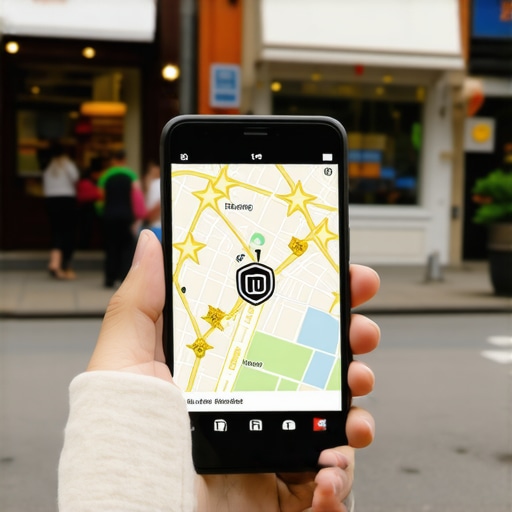
Review filters are automated scripts that remove feedback based on the reviewer’s proximity to the business and their historical account activity patterns. When a sudden influx of five-star reviews hits a profile, the algorithm checks the IP addresses and the GPS history of those users. If the users have never physically been within the service area polygon, those reviews are purged. This is a common issue when when positive reviews are removed how to reclaim your map spot becomes necessary. You must understand that the review cleanse is not personal. It is a mathematical filter designed to prevent map spam. Using a practical strategy for removing fake reviews that hurt your brand involves documenting the lack of proximity for the accounts that are attacking you. I always look for the candid photo. A photo taken by a customer with a smartphone is worth more than ten paragraphs of text because it carries an authentic geolocation tag that the Map Pack trusts.
Local Authority Reading List
- Step by Step Ranking Toolkit
- Identifying Map Suppression Early
- Interaction Triggers and Proximity
- Comparing Local SEO Software
The three mile radius that determines your revenue
The three mile radius is the primary proximity threshold where Google Business Profiles receive the highest visibility before the competition density forces a ranking drop. Beyond this distance, your relevance score must be significantly higher than closer competitors to stay in the Map Pack. This is the logic of the Vicinity update. It prioritized distance over pure review count. Many business owners find that why your map ranking campaign fails to reach beyond your front door is due to this hard limit. To break this barrier, you need the hyper local link strategy that forces google to recognize your service area. This involves getting mentions from neighborhood associations, local schools, or niche blogs within specific zip codes. The algorithm looks for these digital breadcrumbs to prove that your influence extends past your physical shop front. The pin on the map is just the start. The actual service area is a living, breathing data set that requires constant feeding with local signals.
“Relevance is no longer determined by keywords alone; it is the sum of proximity, behavioral interaction, and historical trust data points across the spatial web.” – Local Intent Signals Report
Why your local keywords are not translating into map clicks
Local keywords often fail to convert into clicks when the search intent does not match the proximity of the user to the business location. If someone searches for a plumber in a city they are not currently in, Google might show a different set of results than if they were standing on the corner. This is why why your local keywords arent translating into map clicks. You must align your content with the specific way people search on mobile devices. Using how to match your local keyword strategy with map pack intent is the only way to capture high-value leads. The street photographer in me sees the storefront, but the engineer sees the JSON-LD LocalBusiness attributes. You need to tell the machine exactly which zip codes you serve. If your schema is generic, your ranking will be generic. You are fighting for the attention of a user who is often in a hurry, looking at a small screen, and expecting the closest possible solution to their problem.
How to identify a negative SEO attack early
A negative SEO attack on a local listing usually manifests as a sudden wave of one-star reviews combined with multiple user reports suggesting the business is permanently closed. You must be vigilant. I suggest monitoring your profile daily. If you see how to identify a negative seo attack on your maps listing early, you can respond before the algorithm takes defensive action and suspends your listing. Recovering is a nightmare. I have spent months fighting suspensions for clients who were targeted by rivals. You need the professional way to handle google profile recovery to get back on the map. This involves providing utility bills, lease agreements, and video walk-throughs of your office. The goal is to prove physical existence. The map is a database of trust, and once that trust is broken, you are invisible. Keep your data clean. Keep your photos fresh. And never trust a citation service that uses a PO Box.